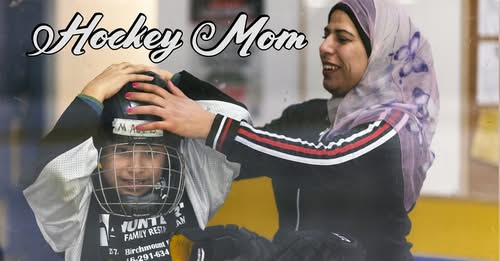
The hardest thing Fatma ever had to do was say goodbye to her two children at the border. Standing in the rain with her 8-year-old daughter Sofia and 12-year-old son Mikhail, she made them a promise: "I will find us a safe home. We will be together again." At that moment, with armed guards approaching and chaos erupting around them, she didn't know if it was a promise she could keep.
Fatma was a school teacher in Eastern Europe, living a quiet, ordinary life until political violence shattered her community. When her outspoken activism for human rights put her family in imminent danger, she faced an impossible choice: flee immediately for her own safety, or risk the lives of all three of them by staying together through a perilous journey.
"The smugglers told me it was too dangerous to take the children on the route I had to take," Fatma recalls, her voice breaking slightly. "They said I could go first, establish asylum, and then bring them legally. Every instinct as a mother screamed against it, but I knew—I knew—this was the only way to give them a future."
The Unbearable Weight of Separation
Fatma left her children with her elderly mother, who was too frail to make the journey herself. The plan was simple in theory: Fatma would reach Germany, apply for asylum, and once granted protection, she would file for family reunification to bring Sofia and Mikhail to join her.
But nothing about separation is simple.
"I would call them every night, but the calls made it worse," she admits. "Sofia would cry and beg me to come home. Mikhail tried to be strong, but I could hear the fear in his voice. My mother was doing her best, but she was struggling. And I was in a foreign country, living in a refugee center, not speaking the language, completely powerless to help them."
Fatma spent six months separated from her children while navigating the asylum system alone, battling language barriers, bureaucratic complexity, and the emotional toll of being apart from her family.
Her asylum case was eventually approved, granting her protected status in Germany. But when she tried to navigate the family reunification process on her own, she hit wall after wall. The paperwork was overwhelming. Every form seemed to require documents she didn't have or couldn't obtain from her home country without putting her children at risk.
"I was approved, but I still couldn't bring them," she says, tears welling up at the memory. "The waiting lists were years long. The requirements kept changing. I felt like I had failed them. I had promised them we would be together, and I couldn't make it happen."
"Every night I would lie awake thinking: What if something happens to them? What if they forget me? What if, after all of this, I lose them forever?"
— Fatma, reflecting on her darkest months
A Lifeline in the Darkness
Fatma found Project Freedom Path through a support group for refugee women in Berlin. Another mother, who had successfully reunited with her own children, quietly handed her a card.
"She didn't say much," Fatma remembers. "She just looked at me and said, 'They helped me. They can help you too.'"
Desperate and exhausted, Fatma filled out the free eligibility assessment that same night. She didn't expect much—she'd been let down too many times before. But the response came within hours, and it changed everything.
Her case manager, Dr. Anna Weber, a specialist in family reunification cases, immediately understood the unique challenges Fatma faced. Unlike the generic advice Fatma had received before, Dr. Weber knew the specific legal pathways, the documentary requirements, and—most importantly—how to expedite the process for children in vulnerable situations.
Understanding Family Reunification for Asylum Holders
For refugees granted asylum in Germany, family reunification is a legal right, but the process requires:
- Proof of family relationships (birth certificates, family registers)
- Evidence of adequate housing for family members
- Documentation of sufficient financial means
- Completion of visa applications for each family member
- Coordination with embassies in countries of origin
- In urgent cases: expedited processing documentation
Average processing time: 12-24 months. With expert guidance: 4-8 months.
"Dr. Weber looked at my situation and said, 'Your children are in immediate danger. We can make a case for emergency reunification,'" Fatma explains. "I didn't even know that was possible. She saw things in my documentation that I had never thought to emphasize. She knew exactly which authorities to contact and how to present my case."
The Path Back to Each Other
With Project Freedom Path's Premium Unity Package, Fatma had access to a team of specialists: legal experts who understood German family migration law, document preparation professionals who could obtain and translate the necessary paperwork, and a family liaison who coordinated with the German embassy to schedule appointments for her children.
Fatma's Reunification Timeline
Month 1: Emergency Assessment
Completed comprehensive case review and identified grounds for expedited processing due to children's vulnerable situation.
Month 2: Documentation Gathering
Secured all required documents including birth certificates, proof of Fatma's housing, financial statements, and medical reports for the children.
Month 3-4: Application Submission
Filed comprehensive reunification application with German immigration authorities and coordinated visa applications through embassy.
Month 5: Approval & Travel Arrangements
Received approval for both children. Coordinated safe transportation with accompaniment services for minors traveling internationally.
Month 6: Reunion Day
Sofia and Mikhail arrived safely at Berlin Brandenburg Airport, reunited with their mother after 18 months of separation.
The hardest part, Fatma says, was the waiting. Even with expedited processing, it took six months from the day she contacted Project Freedom Path until the day her children stepped off the plane in Berlin.
"But Dr. Weber kept me informed every single step," she says. "When there were delays, she explained why. When documents were rejected, she knew exactly what to fix. I never felt alone in the process. And she prepared the children too—she arranged for someone to meet with them, to explain what would happen, to make sure they felt safe."
The Day Everything Changed
The day Sofia and Mikhail arrived at Berlin Brandenburg Airport is a day Fatma will never forget. Project Freedom Path had arranged for an accompaniment service—a trusted professional who flew with the children from their departure city, ensuring they were safe, calm, and cared for throughout the journey.
"I saw them coming through the gate, and I just... I couldn't move," Fatma says, wiping away tears even now, two years later. "Sofia saw me first. She dropped her bag and ran. Mikhail was trying to be grown-up, but then he was running too. When I held them, finally held them again, it was like I could breathe for the first time in 18 months."
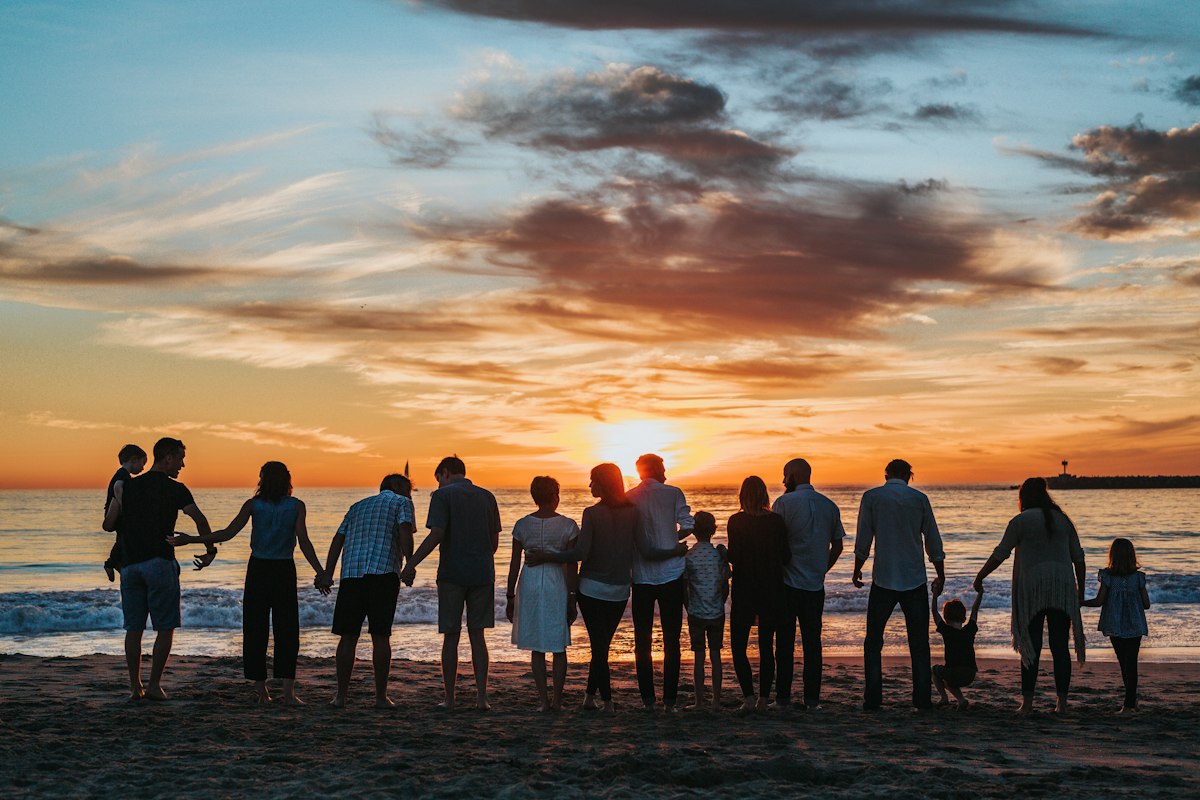
The children had changed so much. Sofia had grown taller. Mikhail's voice had deepened. But in their eyes, Fatma could still see her babies—now safe, now together, now home.
Building a Life Together
Today, Fatma and her children live in a cozy apartment in Berlin's Neukölln district. Sofia, now 10, attends a local primary school where she's learning German and has made close friends. Mikhail, 14, is in secondary school and has discovered a passion for soccer, playing on a youth team sponsored by a refugee integration program.
Fatma works as a teaching assistant at an international school, using her credentials and experience while improving her German language skills. On weekends, they explore their new city together—visiting museums, walking through parks, simply being a family again.
"We have movie nights where we watch films in our native language, cook traditional meals together, and talk about our memories," Fatma shares. "But we're also making new memories. Sofia loves the Christmas markets. Mikhail has never been happier than when he scored his first goal for his team. This is our life now—not the life we had, but a good life. A safe life."
Both children are thriving in school, with Sofia becoming fluent in German within 8 months and Mikhail excelling in mathematics and sports. Fatma is on track to complete her German teaching certification within two years.
The trauma of separation hasn't disappeared entirely. There are still hard days. Sofia sometimes has nightmares. Mikhail struggles with trust. Fatma carries the guilt of those 18 months, wondering if she made the right choice, even though she knows logically that she did.
"We go to family therapy," Fatma says openly. "That was another thing Dr. Weber arranged for us—she connected us with counselors who specialize in refugee family trauma. We're healing together. The wounds are there, but we're together, and that makes all the difference."
"I couldn't have done this alone. The system is designed to break you down, to make you give up. But Project Freedom Path fought for us. They saw us as people, as a family that deserved to be together. They gave me back my children. How do you thank someone for that?"
— Fatma, Mother and Teacher in Berlin
Is Your Family Separated?
If you're facing the heartbreak of family separation, know that reunification is possible. Our specialized team has helped countless families navigate the complex legal pathways to be together again. You don't have to do this alone.
Start Your Reunification Journey100% confidential • Free assessment • Expert family reunification specialists