
In her homeland, Farida Abbas's faith was not just discouraged—it was criminalized. As a member of a religious minority, she faced systematic persecution that intensified over the years. Her place of worship was destroyed, her religious leaders imprisoned, and community members disappeared without explanation. The message was clear: practice your faith and face the consequences.
"They raided our community center during evening prayers," Farida Abbas recalls, her voice steady but weighted with memory. "I was hiding in a storage room when they came. I could hear everything—the shouting, the sound of our sacred texts being thrown to the floor, the fear in everyone's voices. That night changed everything."
After the raid, sixteen members of her community were arrested on fabricated charges of "extremism." Three were her close friends. That was the moment Farida Abbas realized staying meant choosing between her faith and her life—a choice no one should ever have to make.
When Silence Became Impossible
For years, Farida Abbas had practiced her faith in secret, hoping the persecution would ease. She attended underground prayer gatherings, kept her religious texts hidden, and learned to recognize the subtle signals that indicated when it was safe to speak about her beliefs.
"You develop this sixth sense," she explains. "You learn to read people's eyes before you answer questions about yourself. You memorize multiple cover stories. You become an expert at being invisible."
But invisibility comes at a cost. Farida Abbas found herself withdrawing from life, losing parts of her identity, and living in constant, exhausting fear.
The turning point came when authorities began implementing a new "registration program" requiring members of her faith to register with the government. Farida Abbas knew what this meant—it was a list, a target for future persecution.
"I had to choose," she says simply. "Register and become a marked person, or flee and try to find somewhere I could breathe freely. The choice was terrifying, but it wasn't really a choice at all."
A Digital Lifeline
Through an encrypted messaging app used by her community, someone shared information about organizations that help people fleeing religious persecution. Among them was Project Freedom Path.
"I spent three nights reading everything on their website," Farida Abbas remembers. "I was paranoid about scams, about government surveillance, about making things worse. But their approach felt different—professional, compassionate, informed. They understood religious persecution cases specifically."
"When I completed the assessment, I expected an automated response or maybe nothing at all. Instead, I received a personalized reply within hours. They acknowledged my specific situation, addressed my concerns about documentation, and most importantly—they treated my faith with respect."
— Farida Abbas, on her first contact with Freedom Path
Farida Abbas enrolled in the Premium Sanctuary Package, designed specifically for complex religious persecution cases. Her case manager, Thomas, had extensive experience with religious asylum claims and understood the unique challenges of documenting persecution based on faith.
"Thomas never asked me to prove my faith was 'real enough,'" Farida Abbas notes with gratitude. "He understood that my faith is fundamental to who I am, and that was enough. We focused on documenting the persecution, not defending my right to believe."
Building a Case for Freedom
The process of building her asylum case was meticulous and emotionally demanding. Farida Abbas had to gather evidence of systematic persecution—news articles about raids on her community, testimonies from others who had fled, documentation of discriminatory laws, and her own detailed account of what she had witnessed and experienced.
Farida Abbas's Path to Protection
Month 1: Safety Planning
Completed eligibility assessment and created secure exit strategy with case manager Thomas.
Months 2-3: Documentation Phase
Gathered evidence of religious persecution, community testimonies, and personal account documentation.
Month 4: Departure & Transit
Safely departed homeland with pre-arranged travel logistics and arrived in Germany.
Months 5-10: Application Process
Filed comprehensive asylum application with specialized religious persecution evidence and expert support.
Month 11: Approval & Integration
Received asylum approval and began community integration with ongoing support services.
"The hardest part wasn't the paperwork," Farida Abbas reflects. "It was reliving the trauma. Writing down what happened to my friends, describing the raids, explaining why I lived in fear for so many years. But Thomas helped me see it differently—this wasn't just documentation of pain, it was documentation of courage."
The Cultural Integration Guides prepared Farida Abbas for life in Germany, teaching her about religious freedom laws, how to find faith communities, and practical matters like navigating German bureaucracy. The Language Support Program gave her foundational German skills before she even arrived.
A Life of Faith, Freely Lived
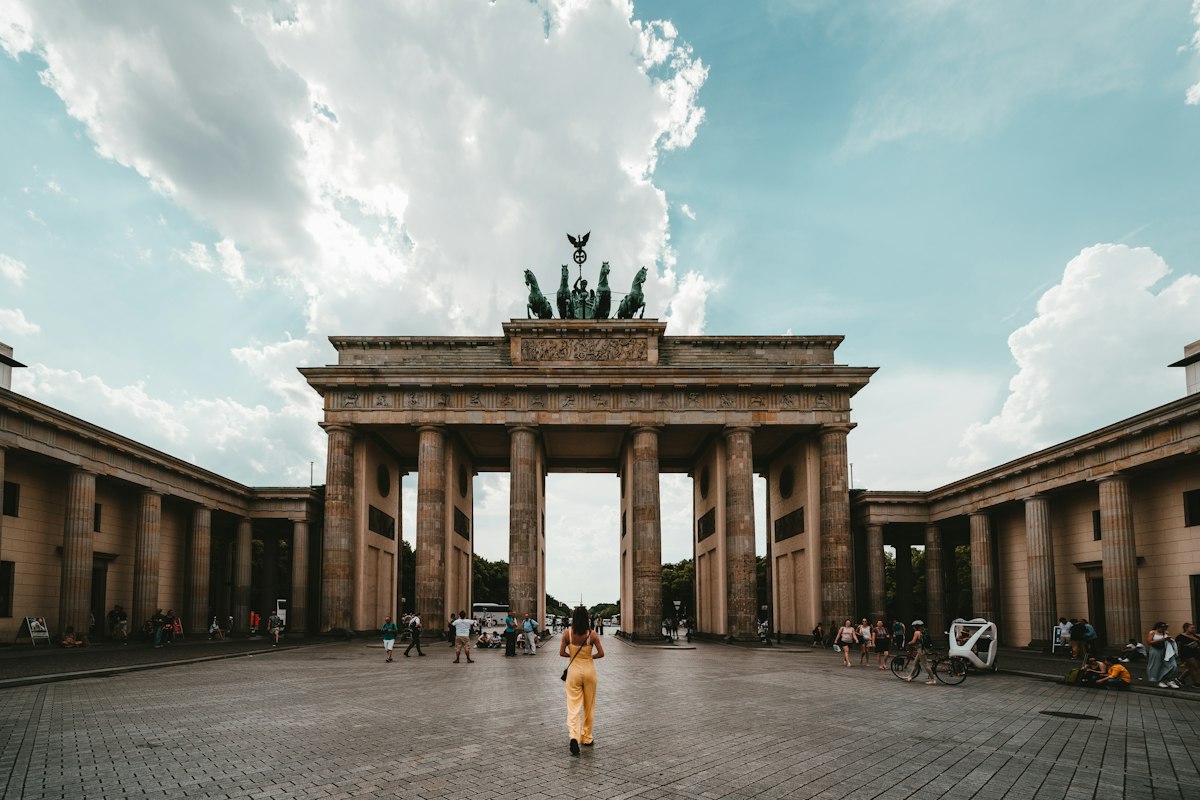
Today, Farida Abbas lives in Berlin's diverse Neukölln district, home to one of the city's most vibrant interfaith communities. She works as a translator and volunteers with an organization that helps newly arrived refugees navigate German systems.
But perhaps most significantly, she practices her faith openly.
"The first time I attended a prayer service here, I cried through the entire thing," she shares, her eyes bright. "Not from sadness, but from relief. I could walk through the front door. My name was on the welcome sheet. There were no secret signals, no hiding. I was just... there. Present. Free."
She has joined a thriving faith community of over 100 members, many of whom are also refugees who fled persecution. Together, they've created a support network that extends beyond spiritual matters to practical help—language practice, job referrals, childcare, and the simple comfort of shared experience.
Farida Abbas now helps 2-3 newly arrived asylum seekers per month navigate the same systems she once found overwhelming, paying forward the support she received.
"In my old life, I had to choose between safety and faith," Farida Abbas reflects. "Here in Berlin, I don't have to choose. I can be both safe and faithful. I can be fully myself."
She recently enrolled in a continuing education program to become a certified integration counselor, transforming her experience into expertise that will help others.
"Freedom Path didn't just help me reach physical safety—they helped me reclaim my spiritual identity. They understood that for people like me, faith isn't a hobby or a tradition. It's who we are. And they fought for my right to be that person, openly and without fear. That's a gift I'll spend the rest of my life being grateful for."
— Farida Abbas, Integration Counselor & Volunteer, Berlin
Your Faith Deserves Protection
If you're facing religious persecution, you don't have to navigate the path to safety alone. Our specialized team understands the unique challenges of faith-based asylum cases and is ready to guide you toward freedom.
Start Your Free Assessment100% confidential • No obligation • Free consultation